Key Takeaways
- Morning sessions ensure optimal conditions at Lakey Peak, Sumbawa’s renowned surf hub during the dry season swell.
- Swell is best in June-July, making early morning surfs essential for peak wave performance.
- Affordable ferry and short drive make morning surfing at Maluk accessible and cost-effective.
- Yo-Yos’ right-hand reef break “The Hook” offers consistent waves, best enjoyed during early sessions.
Morning sessions in Sumbawa during the dry season are essential for surfers seeking optimal conditions, with lighter winds and less crowded lineups. This time offers the perfect blend of natural elements, ensuring an unmatched surfing experience at renowned spots like Lakey Peak and Yo-Yos.
The Importance of Timing: Why Morning is Key
Sumbawa’s dry season, spanning May through September, is marked by consistent swell patterns and favorable weather conditions. During this period, mornings offer a unique window of opportunity for surfers. The early hours are characterized by lighter winds, often offshore, which significantly enhance wave quality. As the day progresses, the winds tend to shift, potentially disrupting the wave faces and leading to less ideal surfing conditions.
In addition to the better wave quality, morning sessions provide the chance to avoid the midday sun, which can be intense in this tropical region. The cooler mornings not only make for a more comfortable surfing experience but also help in preserving energy for longer sessions. With the sun rising early, surfers can capitalize on several hours of prime surfing before conditions change, allowing time to explore local culture or relax in the afternoons.
Exploring Lakey Peak: The Heart of Sumbawa Surfing
Lakey Peak, located in Central Sumbawa, is the island’s primary surf hub and a renowned landmark. Known for its consistent waves and diverse breaks, it attracts surfers from around the world, particularly during the dry season. The peak offers both left and right-hand waves, catering to a variety of surfing styles and skill levels.
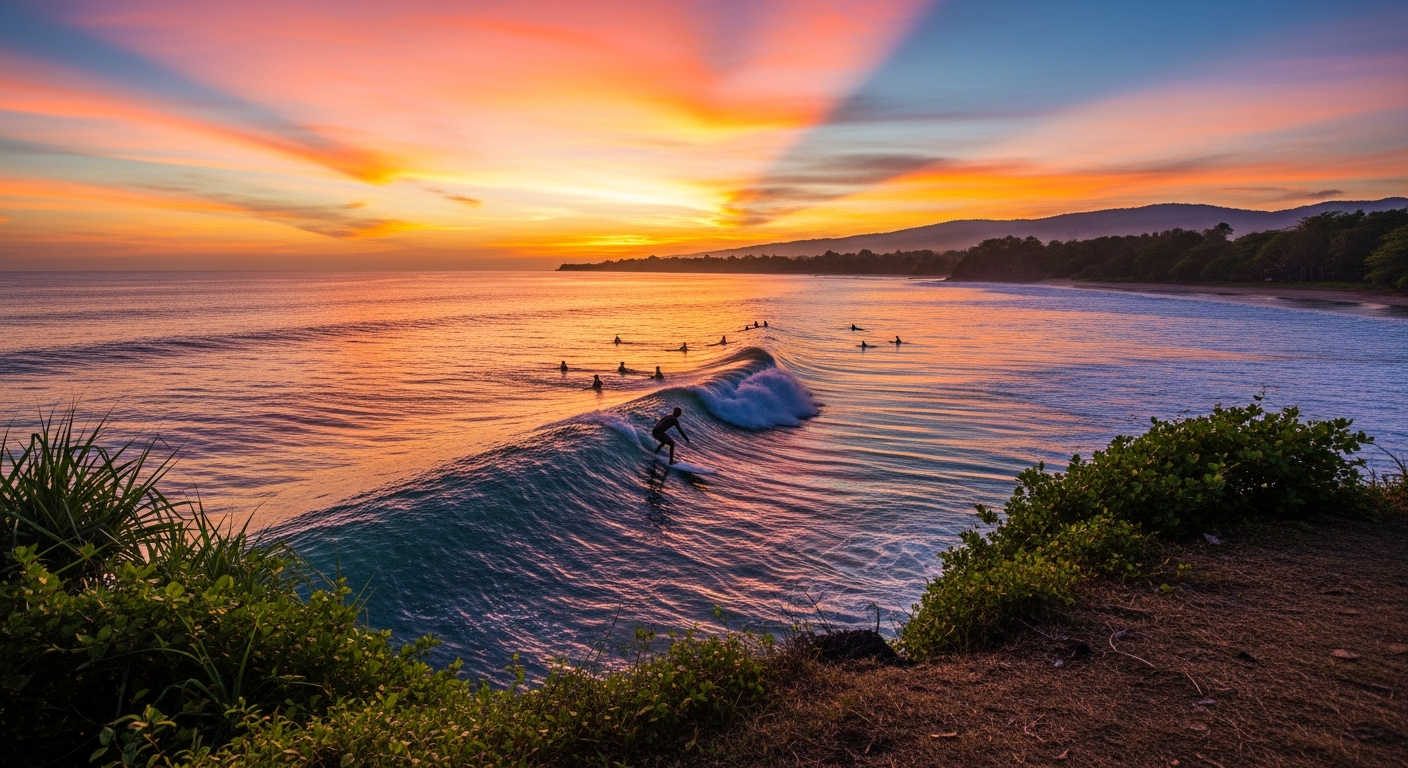
Morning sessions at Lakey Peak are especially rewarding due to the combination of quality waves and reduced crowds. As the sun rises over the horizon, the waves take on a glassy appearance, offering ideal conditions for both intermediate and advanced surfers. Nearby accommodations and amenities make it a convenient base for surfers, ensuring a smooth experience on and off the water. The lively surf community here fosters a sense of camaraderie among visitors and locals alike.
Yo-Yos: Consistency and Quality at “The Hook”
Located in West Sumbawa, Yo-Yos is famed for its consistent right-hand reef break, commonly referred to as “The Hook.” Known for wave sizes ranging from shoulder high to double overhead, Yo-Yos is a magnet for surfers looking for powerful and thrilling rides. The dry season mornings offer the best conditions, with offshore winds enhancing the quality of the break.
During this time, surfers can expect clean, peeling waves and smaller crowds compared to midday or afternoon sessions. The morning ambiance at Yo-Yos, with the sun casting a golden glow over the waves, creates a picturesque and invigorating surfing experience. It’s a time where surfers can truly connect with the ocean without the afternoon hustle and bustle. The surrounding natural beauty adds to the allure, with lush landscapes framing the beach.
Surfing the Lefts at Tropical
Tropical, a left-hand reef break, is another highlight of Sumbawa’s surfing landscape. Situated about 100 meters from the beach on the western shore, it offers a more secluded surfing experience compared to the busier peaks. The lineups here are often limited to 2–10 people, allowing for a more personalized surfing session.
The mornings at Tropical provide gentle breezes and optimal wave shapes, ideal for surfers who prefer left-hand rides. The tranquil environment is complemented by the natural beauty of the surrounding area, making each session not just about the waves but also about the serene setting. This spot offers a perfect retreat for surfers seeking solitude and a deeper connection with the ocean.
Getting There: Convenient Travel Options
Traveling to Sumbawa is a straightforward process, making it accessible for international and domestic surfers alike. Those starting from Lombok can take a ferry from the Port of Labuan Kayangan to Poto Tano in West Sumbawa. The journey takes approximately 1.5 hours and costs around $6 USD per person. This route offers a scenic introduction to the striking landscapes of Sumbawa.
From Poto Tano, surfers can reach the prime surfing town of Maluk in about 90 minutes by road. Maluk serves as a convenient base for exploring the numerous breaks in West Sumbawa, including the famed Yo-Yos and Tropical. The road journey offers glimpses of local life and the island’s natural beauty, with opportunities to stop at coastal viewpoints and small villages along the way.
Where to Stay: Comfort and Proximity at Kura Kura House
For surfers seeking both comfort and proximity to the best breaks, Kura Kura House in Western Sumbawa is an ideal choice. This top surf stay is situated in the heart of the island’s best surfing areas, providing easy access to spots like Yo-Yos and Tropical. The accommodation offers a range of amenities, including a gym, pool, sauna, and jungle cabanas, ensuring a relaxing and rejuvenating stay.
Staying at Kura Kura House not only enhances the surfing experience but also allows for a deeper connection with the surrounding environment. The facilities are designed to cater to the needs of surfers, providing a perfect balance between adventure and relaxation. Its strategic location allows guests to enjoy early morning surf sessions followed by leisurely afternoons exploring local culture or relaxing in the lush surroundings.
Discovering the Local Culture and Cuisine
While surfing remains the main draw for visitors to Sumbawa, the island also offers a rich cultural experience for those willing to explore. The local Sasak culture can be observed in nearby villages where traditional crafts and ceremonies are still practiced. Markets busy with activity provide a glimpse into daily life, with opportunities to purchase handcrafted goods and local produce.
Gastronomically, Sumbawa offers a variety of local dishes that reflect the island’s Indonesian heritage. Fresh seafood is a staple, often grilled or served in spicy sambals. Street food stalls offer an affordable and authentic taste of the region, with meals costing as little as $2 USD. Dining with a view of the ocean at sunset provides a perfect end to a day of surfing and exploration.
FAQs
Q? What is the best time of year to surf in Sumbawa? A: The best time to surf in Sumbawa is during the dry season, from May through September, with June and July providing the most optimal swell conditions.
Q? How much does it cost to travel from Lombok to Sumbawa by ferry? A: The ferry from Lombok’s Port of Labuan Kayangan to Poto Tano in West Sumbawa costs approximately $6 USD per person and takes about 1.5 hours.
Q? Where is the best place to stay for surfing in Western Sumbawa? A: Kura Kura House is a recommended place to stay, offering convenient access to top surf spots like Yo-Yos and Tropical, along with excellent amenities for surfers.
Planning something bigger across Indonesia? For end-to-end service see baliluxurytransport.
Explore all sumbawasurfing.com options and plan your trip.
See also: Top 5 Safe Surf Spots in West Sumbawa for Offshore Wind Days in July 2027, Do You Need a Charter Boat for Sumbawa’s Hidden Breaks? Pros and Cons Explained.