Key Takeaways
- Lakey Peak is the main surf location, making Sumbawa a global surfing hotspot.
- Best surfing conditions occur during the dry season, particularly June and July, with ideal swell windows.
- Avoid onshore winds by surfing during the dry season to ensure optimal wave conditions.
- Travel to prime surf spots like Maluk via a 1.5-hour ferry ride and 90-minute drive.
Sumbawa, an Indonesian island renowned for its surfing spots, offers distinct experiences during its dry and wet seasons. The optimal surf conditions occur in the dry season from May to September, with June and July presenting the best swell. Conversely, the wet season brings onshore winds, often making surfing less favorable. Understanding these seasonal variations is crucial for surfers aiming to tackle Sumbawa’s waves, particularly at Lakey Peak.
Understanding Sumbawa’s Seasonal Surf Dynamics
Sumbawa, part of the West Nusa Tenggara province, is a beacon for surfers worldwide, courtesy of its renowned waves and distinctive seasonal surf conditions. The island’s seasons are split into the dry season, stretching from May to September, and the wet season, from October to April. Each season significantly impacts the surfing experience due to variations in wind patterns, wave quality, and overall weather.
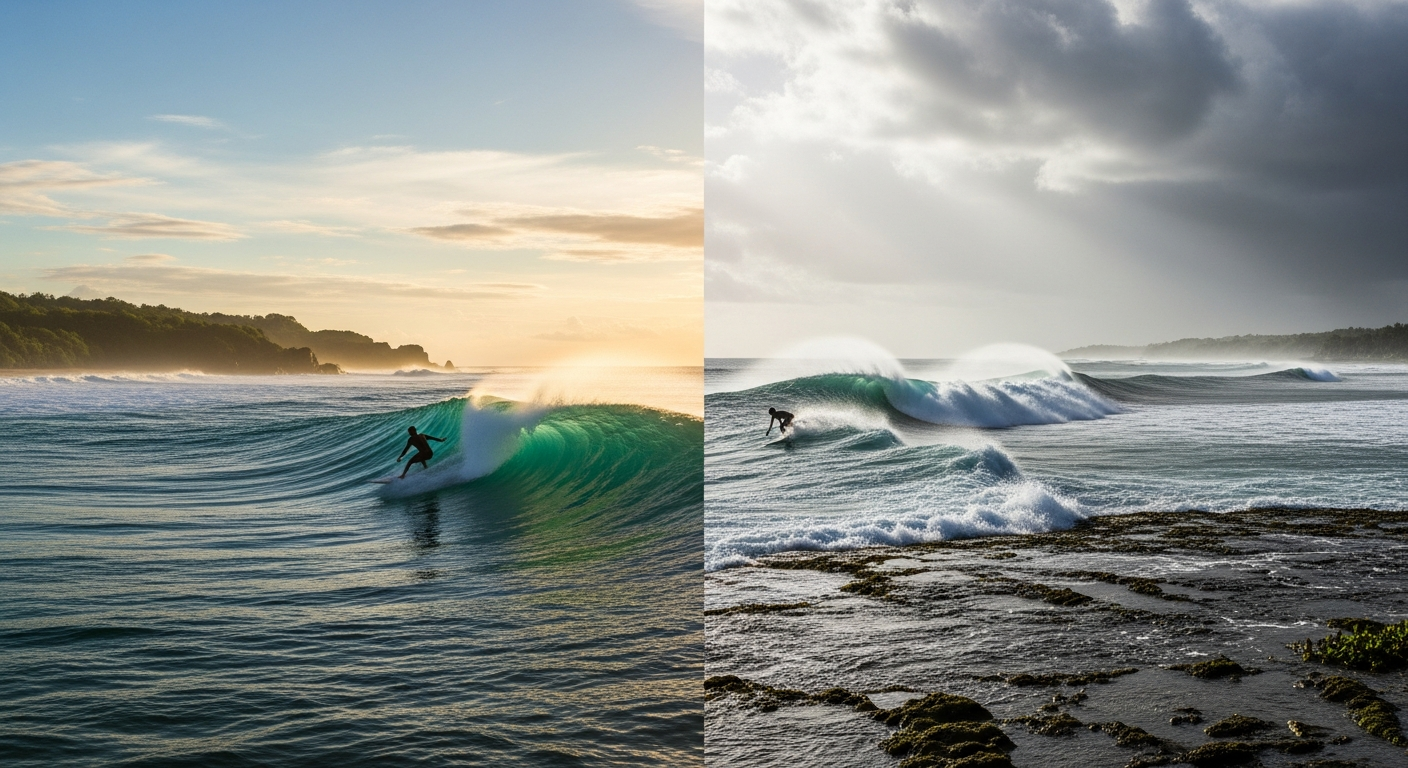
During the dry season, offshore winds dominate the scene, creating consistent, clean waves ideal for surfing. This period marks the peak of the surfing season in Sumbawa, with Lakey Peak at the forefront due to its reliable swell and surf-friendly conditions. As the wind sweeps across the island from the southeast, it grooms the waves perfectly, especially in the mornings when conditions are typically the cleanest. Conversely, the wet season is characterized by onshore winds that can lead to choppy waters and less predictable wave patterns. Tropical storms can occur, bringing heavy rain but also temporary calm between the gusty winds. This makes understanding the nuances of Sumbawa’s seasonal dynamics crucial for any surfer planning a trip to this Indonesian surfing haven.
The Prime Time: Dry Season Surfing
The dry season from May through September is heralded as the prime time for surfing in Sumbawa. During this period, the island experiences minimal rainfall and predominantly offshore winds, which are critical in shaping the perfect waves. The swell is most consistent from June to July, making these months particularly attractive for surf enthusiasts.
Lakey Peak, a renowned surf hub in Central Sumbawa, becomes a focal point during the dry season. The area offers a range of breaks suited to different skill levels, from beginners to seasoned pros. Surfers flock here to take advantage of the optimal conditions, with waves that are both challenging and exhilarating. The dry season’s morning sessions are especially recommended, offering clean, glassy waves under the early sun. Nearby, Lakey Beach provides additional surf options for those seeking variety, with affordable beachfront accommodations that start at around $20 USD per night, perfect for long-term stays.
Challenges of Wet Season Surfing
Surfing during the wet season in Sumbawa, from October to April, presents a different set of challenges. The period is dominated by onshore winds, which generally lead to choppier and less organized waves. These conditions can be difficult for surfers, requiring a higher skill level to navigate successfully.
Despite these challenges, some surfers still venture into the waters, drawn by the allure of less crowded lineups and the possibility of unique wave formations. Certain hidden bays, like those near Sekongkang, can offer windows of opportunity when the wind direction shifts briefly. However, it is crucial to be prepared for the unpredictability that the wet season brings. The chance of encountering unfavorable weather conditions, such as heavy rain and storms, is higher, and surfers must time their sessions carefully to get the best out of Sumbawa’s wet season waves. Some accommodations offer guided surf checks, which can be invaluable during this season, ensuring surfers find the best spots at the right times.
Navigating to Sumbawa’s Surf Spots
Accessing Sumbawa’s surf spots is relatively straightforward but requires some planning. Most surfers travel from Bali or Lombok, opting for a ferry from Lombok’s Port of Labuan Kayangan to Poto Tano in West Sumbawa. This ferry ride takes about 1.5 hours and costs approximately $6 USD per person, offering a scenic journey across the waters.
Upon arrival at Poto Tano, surfers typically drive to Maluk, a prime surfing town in West Sumbawa, approximately 90 minutes away. Maluk serves as a access point to several notable surf breaks, including the famed Yo-Yos. Known for its high-quality, consistent right-hand reef break, Yo-Yos is a must-visit for those seeking thrilling surf experiences. Nearby accommodations, such as the Maluk House, provide surfers with essential comforts and start at about $35 USD per night, offering easy access to the breaks and local guidance on daily surf conditions.
Accommodation and Amenities for Surfers
Sumbawa offers a variety of accommodations tailored to surfers, with Kura Kura House standing out as a top choice in Western Sumbawa. Situated amidst some of the best breaks, Kura Kura House provides essential amenities like a gym, pool, sauna, and jungle cabanas, catering to both relaxation and fitness needs.
Staying close to the breaks is advantageous, particularly during the dry season, when early morning sessions at spots like Yo-Yos are optimal. The local accommodations often provide transport services to various surf spots and can assist in planning surf trips that align with the best conditions. In addition to comfort, these places frequently offer surfboard rentals and repair services, ensuring surfers are always ready to hit the waves. Some even organize community events and barbecues, fostering a lively surf culture and an opportunity to share stories and experiences with fellow surfers from around the globe.
Exploring Sumbawa Beyond Surfing
While Sumbawa is a surfer’s region, the island offers much more beyond its notable waves. For those looking to explore, the nearby Moyo Island is a notable just off the north coast of Sumbawa. Known for its striking marine park, it offers activities such as snorkeling and diving, with crystal-clear waters home to lively coral reefs and diverse marine life.
For adventurers, hiking to the summit of Mount Tambora provides a rewarding experience with panoramic views of the island’s landscape. The trek can be challenging, especially during the wet season, but the sight of the caldera and the surrounding scenery is . Cultural enthusiasts might consider visiting local markets in towns like Sumbawa Besar to experience the island’s rich traditions and culinary offerings, such as the traditional Sumbawa honey and Madu Sumbawa. These experiences offer a deeper understanding of the local culture and complement the thrilling surf adventures with unique insights into Sumbawa’s diverse offerings.
Maximizing Your Surf Experience in Sumbawa
To truly maximize your surf experience in Sumbawa, it is essential to plan your trip around the island’s seasonal conditions. The dry season offers the most reliable waves and favorable conditions, but with increased crowds as surfers worldwide converge for the peak swell window. Booking accommodations and surf tours in advance can help mitigate these crowds and ensure a smooth surf trip.
For those venturing out in the wet season, staying flexible and informed about daily weather patterns is key. Utilize local knowledge and resources to find the best spots for the day, as conditions can change rapidly. Regardless of the season, Sumbawa promises a unique and enriching surfing experience, with opportunities for both challenge and adventure. Engaging with local surf guides can enhance the experience, providing insider tips and ensuring safety while exploring the island’s diverse breaks.
FAQs
Q? What is the best time to surf in Sumbawa?
A: The best time to surf in Sumbawa is during the dry season, from May to September, particularly in June and July when the swell is most consistent and conditions are optimal for surfing.
Q? How do I get to Sumbawa’s surf spots from Lombok?
A: To reach Sumbawa’s surf spots from Lombok, take the ferry from Lombok’s Port of Labuan Kayangan to Poto Tano in West Sumbawa, which takes about 1.5 hours and costs around $6 USD per person. From Poto Tano, you can drive to Maluk or other surf spots.
Q? What are the typical wave conditions at Lakey Peak?
A: Lakey Peak offers a variety of breaks with consistent waves during the dry season. The conditions are usually optimal with offshore winds and clean waves, making it suitable for different surfing skill levels.
Planning something bigger across Indonesia? For end-to-end service see baliluxurytransport.
Explore all sumbawasurfing.com options and plan your trip.
See also: How to Get to Yoyo’s Surf Break from Lombok International Airport by Boat and Car, Best Tide and Swell for Dirty Hippies in West Sumbawa: 1000–1200 kJ Guide.