Key Takeaways
- Lakey Peak is Sumbawa’s iconic surf hub, attracting global surfers with its renowned waves.
- Optimal surf season spans May to September, with June and July offering peak swell conditions.
- Affordable travel: $6 ferry from Lombok to Sumbawa, plus 90-minute drive to Maluk.
- Yo-Yos’ “The Hook” provides a consistent, high-quality right-hand reef break in West Sumbawa.
If you’re seeking the best tide and swell conditions for epic surfing in West Sumbawa, the ideal energy range is between 1000 and 1200 kJ. This guide provides insights into why June and July bring optimal surf conditions in this Indonesian haven for surfers, focusing on locations like Yo-Yos and Tropical.
Surfing in West Sumbawa: An Overview
West Sumbawa is an emerging surf destination in Indonesia, drawing enthusiasts who are attracted to its challenging and rewarding waves. Located in the Lesser Sunda Islands, Sumbawa offers remote and less crowded surf spots compared to its neighboring islands like Bali and Lombok. The region’s notable beaches and crystal-clear waters contribute to a unique surfing experience that many surfers cherish.
The island’s surf reputation was solidified by Lakey Peak in Central Sumbawa, a premier surf hub known for consistent swells and a variety of surf breaks. Lakey Peak hosts several international surfing competitions annually, drawing surfers from across the globe to test their skills. However, West Sumbawa is gaining traction, particularly among surfers who prefer fewer crowds and more natural settings, making it an ideal spot for those seeking solitude and notable waves.
Optimal Surf Conditions: Energy and Swell
Surfing conditions in West Sumbawa can be broken down by wave energy, which is measured in kilojoules (kJ). For surfers looking to tackle the best breaks, an energy range of 1000 to 1200 kJ is recommended. This range provides powerful yet manageable waves that attract experienced surfers. The waves in this energy range are particularly suited for showcasing advanced maneuvers, allowing surfers to demonstrate their skills.
The best surf season in Sumbawa is the dry season, spanning from May through September, with June and July offering the most reliable swells. During these months, the Indian Ocean generates consistent swells that create ideal conditions for catching impressive waves. The combination of favorable weather and optimal swell makes these months highly sought after by surfers looking to ride the best waves the region has to offer.
Spotlight on Yo-Yos: The Hook
Yo-Yos, particularly “The Hook,” is a renowned right-hand reef break in West Sumbawa. It is revered for its quality and consistency, with wave sizes ranging from shoulder-high to double overhead. These conditions appeal to intermediate and advanced surfers looking for challenging rides. The site is known for its powerful waves that can test even the most seasoned surfers.
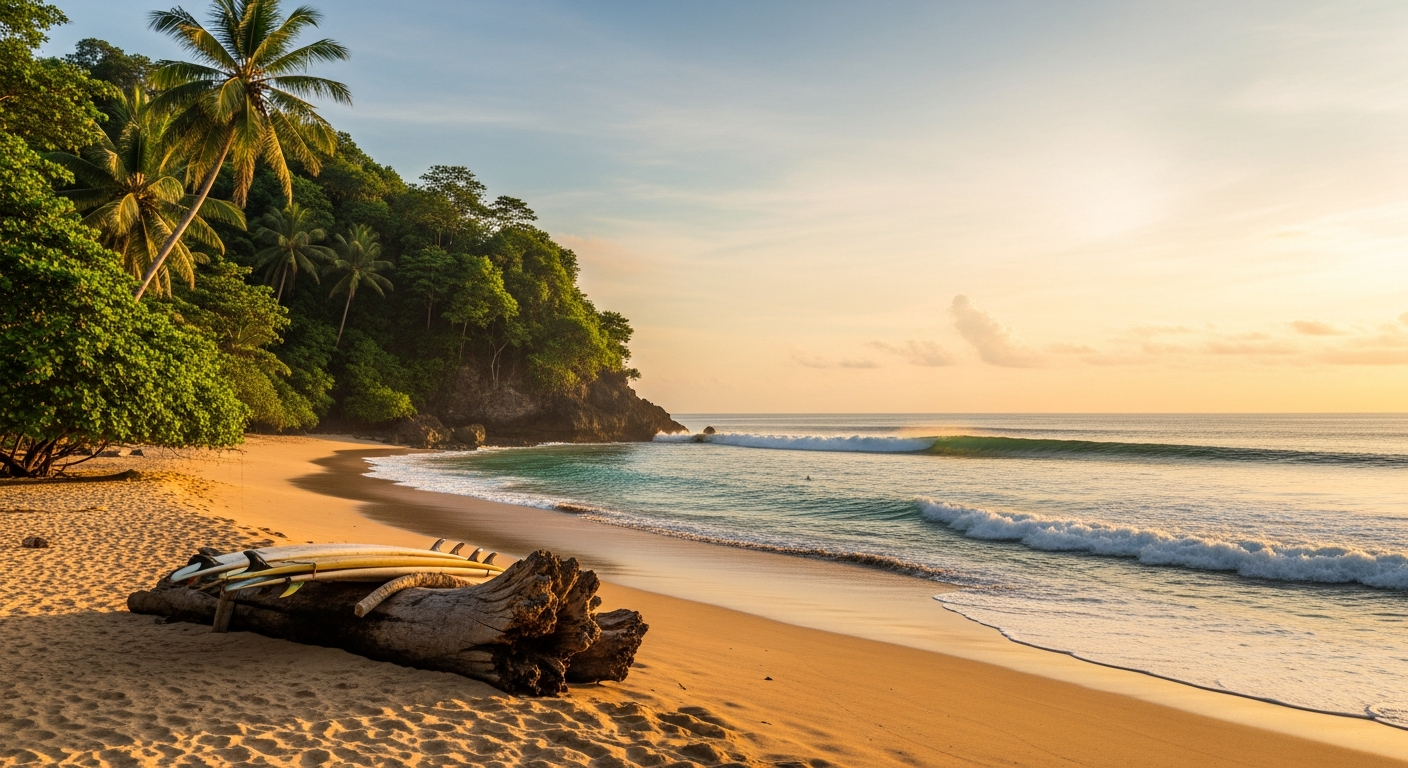
The area around Yo-Yos offers unique opportunities for early morning sessions, especially during the dry season. Surfing at sunrise provides a remarkable view of the sun rising over the ocean, creating an memorable experience. Offshore winds during the wet season can also present favorable conditions, making Yo-Yos a versatile choice for dedicated surfers. The surrounding landscape, with its lush greenery and rugged coastline, adds to the allure of surfing at Yo-Yos.
Tropical: Surf Left-Hand Breaks
Another notable surf spot is Tropical, a left-hand reef break located about 100 meters from the white-sand beach on the western shore of Sumbawa. This spot is characterized by mellow and forgiving waves, ideal for those who prefer a more relaxed surfing experience. Tropical’s waves are perfect for surfers who want to enjoy long rides without the intensity found at other breaks.
The lineup at Tropical usually accommodates between 2 to 10 surfers, offering a more intimate and less crowded environment. This makes it a perfect spot for surfers seeking tranquility and a connection with nature while riding the waves. The surrounding beach is often quiet, providing a serene backdrop for a day of surfing. The area also offers opportunities for beachcombing and enjoying the natural beauty of Sumbawa’s coastline.
Getting There: Travel Logistics
Traveling to West Sumbawa involves a combination of ferry and road trips. The ferry from Lombok’s Port of Labuan Kayangan to Poto Tano in West Sumbawa takes about 1.5 hours and costs approximately $6 USD per person. This ferry ride is a popular route for surfers heading to the island, offering a scenic journey across the Lombok Strait.
Upon arrival at Poto Tano, travelers will need to drive roughly 90 minutes to reach Maluk, a prime surfing town in West Sumbawa. This town serves as a central hub for surfers exploring the nearby breaks and is conveniently located near popular surf spots like Yo-Yos and Tropical. Maluk offers various amenities, including shops, restaurants, and surf schools, providing everything a traveling surfer might need.
Accommodation: Kura Kura House
For surfers seeking comfortable accommodation close to the best breaks, Kura Kura House is a top choice. Located in the midst of the finest surf spots in Western Sumbawa, it offers an array of amenities, including a gym, pool, sauna, and jungle cabanas. The facilities are designed to cater to the needs of surfers, ensuring that they have a relaxing stay.
Kura Kura House provides a serene environment for surfers to relax and recharge after a day of riding waves. Its strategic location allows easy access to notable breaks, making it a favored base for surfers targeting the prime surf spots of West Sumbawa. The house also offers opportunities to connect with other surfers, sharing stories and experiences from their time on the waves.
Exploring the Local Culture
Beyond surfing, West Sumbawa offers a rich cultural experience that complements the thrill of the waves. The island is home to lively local communities, where traditional customs and practices are still observed. Visitors can explore local markets, where artisans sell handmade crafts and traditional textiles, providing a glimpse into the island’s unique cultural heritage.
During your stay, consider visiting local villages to experience traditional Sumbawan hospitality. Enjoy local cuisine, with dishes that feature fresh seafood and locally grown produce, offering flavors that reflect the island’s diverse cultural influences. Participating in cultural events or festivals, which often feature traditional music and dance, can provide a deeper understanding of the island’s history and traditions.
FAQs
Q? What is the best time of year to surf in West Sumbawa?
A: The best time to surf in West Sumbawa is during the dry season, from May through September. June and July are especially ideal, offering the most reliable swells and optimal conditions for surfing.
Q? How much does it cost to travel to West Sumbawa?
A: The ferry ride from Lombok’s Port of Labuan Kayangan to Poto Tano in West Sumbawa costs around $6 USD per person. Additional costs include transportation to surf spots and accommodation, depending on your preferences and budget.
Q? What are some popular surf spots in West Sumbawa?
A: Popular surf spots in West Sumbawa include Yo-Yos (especially “The Hook”) and Tropical. Both offer unique surfing experiences, with Yo-Yos featuring powerful right-hand reef breaks and Tropical offering mellow left-hand waves.
Planning something bigger across Indonesia? Explore curated options at luxuryrajaampat.
Explore all sumbawasurfing.com options and plan your trip.
See also: Sumbawa Surfing for Beginners: Where to Find Mellow Waves Like Cobblestones, How to Get to Yoyo’s Surf Break from Lombok International Airport by Boat and Car.