Key Takeaways
- Lakey Peak is the main surf hub, first putting Sumbawa on the global surfing map.
- Optimal Sumbawa surfing is during dry season, May to September; best swells occur in June, July.
- Ferry from Lombok to West Sumbawa takes 1.5 hours, costing around $6 USD per person.
- Yo-Yos offers consistent right-hand reef breaks; Maluk is 90 minutes from Poto Tano ferry terminal.
Sumbawa offers some of Indonesia’s finest surfing spots, accessible from Bali Domestic Airport through a combination of flights and ferry rides. Known for its consistent waves and less crowded beaches, it’s a preferred destination for surfers seeking quality breaks. Discover how you can reach this surfing haven and enjoy the best swells Sumbawa has to offer.
Traveling from Bali to Sumbawa: An Overview
Traveling to Sumbawa from Bali involves a blend of domestic flights and ferry rides. Bali’s Ngurah Rai International Airport, also known as Denpasar Airport, serves as the starting point for your journey. From Bali, you can catch a flight to Lombok International Airport, which is the nearest major airport to Sumbawa. Airlines such as Lion Air and Garuda Indonesia offer daily flights, with prices typically ranging from $30 to $60 USD depending on the season.
Upon arrival in Lombok, travelers can proceed to the Port of Labuan Kayangan, located on Lombok’s eastern shore. The ferry from this port to Poto Tano in West Sumbawa takes about 1.5 hours and costs approximately $6 USD per person. This part of the journey provides a scenic transition as you head toward Sumbawa’s surf-rich coastlines, with the azure seas offering a glimpse of the adventure that awaits.
Best Time to Surf in Sumbawa
The prime surfing season in Sumbawa coincides with the dry season, spanning from May to September. During these months, the weather is predominantly sunny with minimal rainfall, creating ideal conditions for surfing. June and July are considered the peak months for swells, attracting surfers from around the globe seeking the best breaks.
While Sumbawa’s dry season is renowned for its favorable surf conditions, early morning sessions during this time are particularly rewarding. The cool morning air and uncrowded beaches provide a serene start to the day. Offshore winds are prevalent during the wet season, but the dry season’s consistent swell and favorable wind patterns make it the optimal time for surfing, with surfers often experiencing prolonged sessions of perfect waves.
Exploring Lakey Peak: The Heart of Sumbawa Surfing
Lakey Peak is the epicenter of surfing in Central Sumbawa, renowned for its consistent wave quality and diverse breaks. It is the landmark that initially brought Sumbawa to the attention of the global surfing community. This area features a unique blend of left and right-hand breaks, suitable for surfers of various skill levels.
The waves at Lakey Peak are known for their reliable form, with classic barrels providing ample opportunities for experienced surfers. The surrounding area offers a relaxed atmosphere, with local accommodations and eateries catering to the international surfing crowd. Surf camps and local guides are readily available to assist visitors in optimizing their surf experience, ensuring they catch the best waves and enjoy the local culture.
Surf Breaks in West Sumbawa: Yo-Yos and Tropical
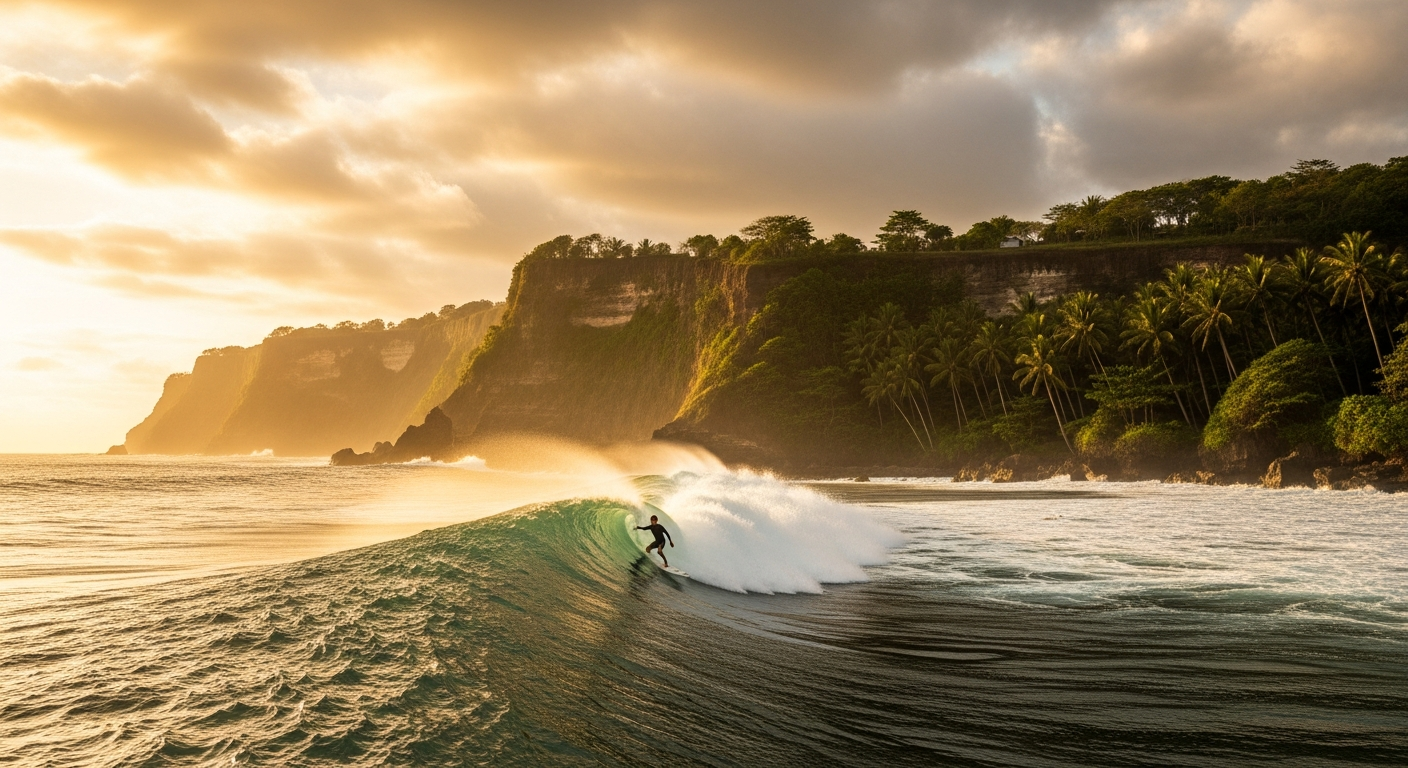
West Sumbawa is home to several notable surf breaks, including Yo-Yos and Tropical. Yo-Yos, specifically “The Hook,” is a right-hand reef break celebrated for its consistency and quality. Wave sizes here can range from shoulder high to double overhead, making it a popular choice for seasoned surfers. Early mornings during the dry season are optimal for catching the best waves at Yo-Yos, with the rising sun creating a striking backdrop for the breaking waves.
Tropical, another prominent surf break, is a left-hand reef break situated approximately 100 meters offshore from the white-sand beaches of western Sumbawa. The lineup at Tropical is typically less crowded, accommodating between 2 to 10 surfers. This location offers an excellent opportunity for those seeking a quieter surfing experience. The gentle yet thrilling waves at Tropical allow surfers to hone their skills while enjoying the remarkable coastal scenery.
Accommodation and Amenities in West Sumbawa
When planning your surf trip to West Sumbawa, consider staying at Kura Kura House, a top-tier accommodation option situated in close proximity to the area’s prime surf breaks. This surf stay offers a range of amenities including a gym, pool, sauna, and jungle cabanas, catering to surfers looking for comfort and convenience.
Kura Kura House provides a welcoming environment for surfers, allowing them to relax and rejuvenate after a day on the waves. Its strategic location makes it an ideal base for exploring the various surf spots across West Sumbawa, ensuring you maximize your time in the water. The refreshing pool and tranquil jungle cabanas offer the perfect retreat after a long day chasing waves.
Getting to Maluk: The Surfing Hub of West Sumbawa
Upon reaching Poto Tano via ferry, travelers can drive to Maluk, the primary surfing town in West Sumbawa. The drive takes roughly 90 minutes, passing through scenic landscapes and offering glimpses of Sumbawa’s natural beauty. Maluk serves as a convenient hub for accessing the region’s top surfing locations.
In Maluk, surfers will find a range of facilities and services catering to their needs. From surfboard rentals to local dining options, the town provides a supportive environment for both novice and experienced surfers. Maluk’s strategic position ensures easy access to nearby surf breaks, making it an essential stop for anyone visiting Sumbawa for its waves. The town itself is a lively community where the local culture and surfing lifestyle blend seamlessly.
Adventures Beyond Surfing: Exploring Sumbawa’s Attractions
Beyond surfing, Sumbawa offers a diverse range of attractions for travelers to explore. Nature enthusiasts can visit the striking Moyo Island, known for its notable beaches, lush forests, and the remarkable Mata Jitu Waterfall. The island is a haven for snorkeling and diving, with lively coral reefs and a variety of marine life.
For those interested in cultural experiences, the traditional villages of Sumbawa provide insight into the island’s rich heritage. Visitors can engage with local communities, witness traditional crafts, and participate in cultural festivals. Exploring Sumbawa’s rugged landscapes, from the towering Mount Tambora to the serene Maluk Bay, offers endless opportunities for adventure and discovery.
FAQs
Q? How do I reach Sumbawa from Bali? A: You can travel to Sumbawa from Bali by taking a flight to Lombok International Airport followed by a ferry ride from the Port of Labuan Kayangan to Poto Tano in West Sumbawa. The ferry ride takes approximately 1.5 hours.
Q? What is the best time of year for surfing in Sumbawa? A: The best surfing season in Sumbawa is the dry season, which runs from May through September. June and July offer the most optimal swell conditions.
Q? Where should I stay while surfing in West Sumbawa? A: Kura Kura House in Western Sumbawa is a highly recommended surf stay, offering amenities such as a gym, pool, and jungle cabanas. It’s located near some of the best surf breaks in the region.
Planning something bigger across Indonesia? Plan wider itineraries with luxuryrajaampat.
Explore all sumbawasurfing.com options and plan your trip.
See also: Do You Need a Charter Boat for Sumbawa’s Hidden Breaks? Pros and Cons Explained, Why Morning Sessions Are Non-Negotiable in Sumbawa’s Dry Season Surfing.